

The masala business has great prospects, as the country is a global hub for spices. This is evident from the significant opportunity to set up an enterprise with initial investments ranging from ₹50,000 to ₹1 Lakh. With increased demand in local and foreign markets, the question of how to open a masala company has become very important for those considering setting up a masala business.
In 2025, India’s masala business industry was valued at around Rs. 2,21,832 Crores, and is estimated to reach almost Rs. 5,28,985 Crores by 2034, with a compound annual growth rate (CAGR) of 10.14%. Whether you choose to start with domestic spices or a blend of high-grade ingredients, it is crucial to know how to start a masala business to succeed. It is a complete tutorial that takes you through every step of setting up a masala business, from preliminary market research to establishing processes, so you are well-equipped to create a thriving business in this aromatic sector.
In this article, we will explore the essential steps, costs, and strategies for building a profitable spice brand in today’s market.
Types of Masala Businesses
- Retail Masala Packaged Business: Production and retail of consumer-packed branded spice powders such as turmeric, chili spices, and coriander in 50g to 1kg sizes via the retail methods.
- Bulk Spice Processing: Grinding and processing in large volumes of whole spices to be sold at wholesale prices to restaurants, hotels, catering services and food manufacturing companies that need in large quantities.
- Blended Masala Production: The production of special spice mixtures such as garam masala, chaat masala, pav bhaji masala, biryani masala, and regional masalas to fit into a particular culinary preparation.
- Organic/Premium Masala Business: specialized in certified organic, free of pesticide, single-source spices and cater to health-conscious consumers who are not price-sensitive to buy low quality spices at high prices, and hence, demand authentic products.
- Export-Oriented Masala Unit: This Mahandas is the production plant with the features of the international quality standards (FSSAI, ISO, HACCP) aimed at the export to the foreign markets with good paperwork and certification.
- Pan Masala/ Mouth Freshener Business: Production of flavored pan masala, gutka substitutes (tobacco free), and mouth freshener, a separate segment with different rules, machinery, and distribution channel that needs them to be required separately.
How to Start Masala Business — Step by Step
Step 1: Market Research & Niche Selection
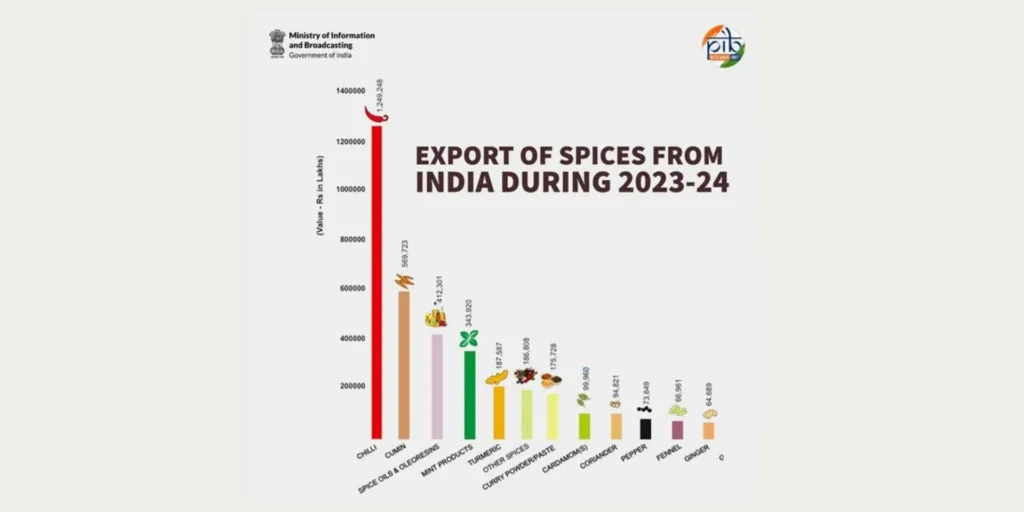
Carry out thorough market research to determine your target market, your competitors, and niche markets that do well in the masala industry. Research local market consumption, competitive pricing policy of current products, and market gaps.
Choose working on the everyday spices, regional specialty, organic products or export markets. Assess competitor strength, do a survey of what customers want and unique selling propositions that would be able to differentiate your brand among other established players in this competitive industry.
Step 2: Business Registration & Licensing
Incorporate your business to be a Proprietorship, Partnership, LLP or a Private Limited Company depending on the magnitude and investment power.
Acquire direct approvals such as FSSAI license which is a must in food businesses, GST registration, Trade license by municipal standards, Udyam Registration to reap MSME benefits. Secure ISI certification of quality assurance, pollution clearance certificate as well as fire safety NOC.
In the case of export business, acquire Import Export Code (IEC) and abide by the regulations of Spices Board of India to keep quality standards in place.
Step-by-Step FSSAI Registration Guide
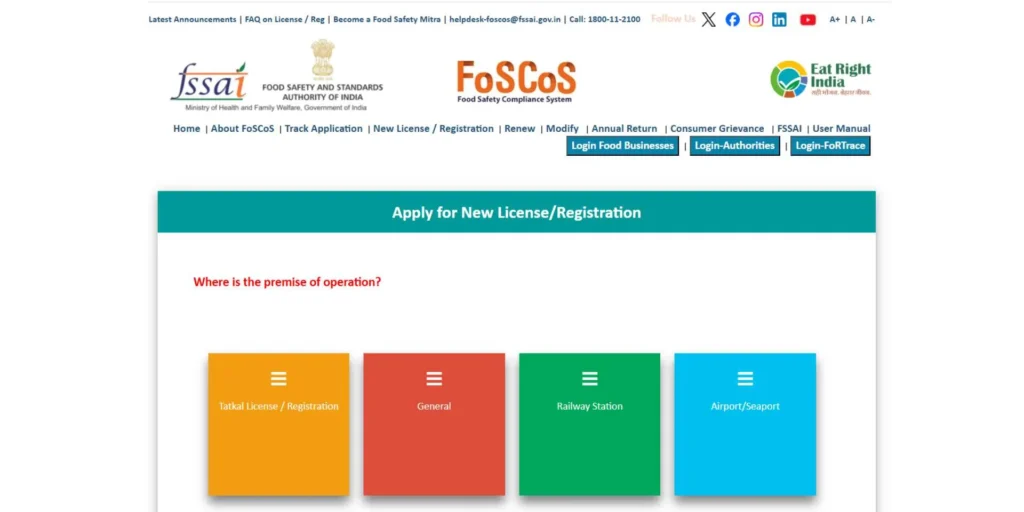
Applying for an FSSAI license for a masala business is arguably the most important step to establish your masala company. This will make your food products officially recognized thus giving you the ability to attract retail and end customers. The following is the process of how to register for fssai license masala business:
- Type of License: Check whether you need to register as Basic Registration (Turnover less than ₹12 Lakhs) or as a Central-State license.
- Register on FoSCoS Portal: You can register on the Food Safety Compliance System website for your spice business.
- Documents Needed: Upload a copy of your [Aadhaar Redacted], PAN, Proof of Address, and your Basic FSMS plan.
- Registration Fee: Pay the fee to get your FSSAI registration. Fee varies depending on the period and type of unit.
- Number Printout: After approval, print out the certificate with clearly legible 14 digits on every package manufactured by your unit.
Step 3: Location & Setup
Select a strategic site that is well connected to raw materials sources and distribution channels, and ideally, must be within an industrial belt where water and electricity are available. Your plant must be divided into locations for raw material storage, processing, packing, finished goods storage, and the administrative office.
So as to fit the small-scale operation, need a minimum 1,000-1,500 sq ft of space, which can be increased according to the output. The premises must comply with local zoning regulations, be well-ventilated and pest-controlled, and meet FSSAI hygienic conditions.
Step 4: Machinery & Equipment
Invest in basic machines such as industrial spice grinders/pulverizers (50-200 kg/hr capacity), cleaning machines, de-stoning and de-structuring machines, roasting machines to add taste, spice mercury machines, and automatic/semi-automatic packing machines. They also have additional equipment such as metallic detectors, weighing scales, moisture meters and quality testing equipment.
Small-scale operations need between ₹3-8 lakhs to buy basic machinery, while medium-sized operations need between ₹15-30 lakhs. Select stainless steel devices because they are durable, hygienic and also easy to maintain to maintain consistent product quality.
Machinery & Startup Cost Breakdown (2026)
It is essential to estimate the cost of a spice processing unit before you launch your business. The cost of purchasing the necessary machines will determine the cash flow for the first six months. Below is a table detailing machinery, tools, and their costs:
| Machinery/Tool | Purpose | Estimated Cost (INR) |
| Pulverizer/Grinder | Heavy-duty grinding of raw spices | ₹15,000 – ₹30,000 |
| Sealing Machine | Impact or continuous band sealing | ₹2,000 – ₹5,000 |
| Weighing Machine | Digital accuracy for packet weights | ₹1,000 – ₹3,000 |
| Cleaning/Drying Tools | Removing impurities and moisture | ₹2,000 – ₹4,000 |
| Packaging Material | Initial stock of pouches and labels | ₹5,000 – ₹10,000 |
| Total Core Investment | Essential Setup Cost | ₹25,000 – ₹52,000 |
Step 5: Raw Materials & Packaging
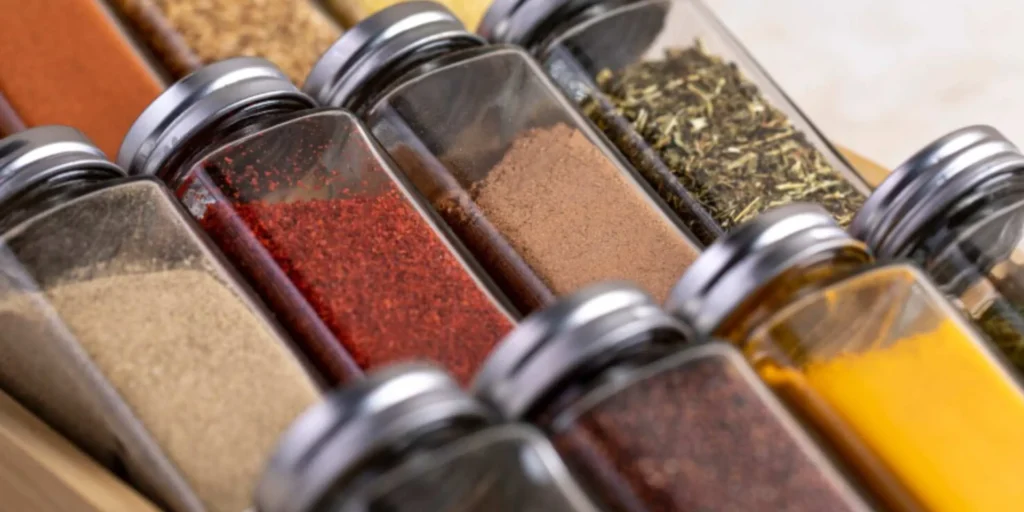
Get raw spices of good quality and assured suppliers, at agricultural markets (mandis) or directly from farmers, in the spice-growing regions. Build networks with different suppliers to regularly supply and negotiate better prices. To keep the spice fresh and avoid contamination of the spice, invest in good storage facilities where the temperature and humidity is controlled.
To obtain packaging, the most suitable packaging materials should be food-grade, such as laminated pouches, PET jars, stand-up pouches, or plain paper packages, depending on the target market. Stamp beautiful labels that comply with FSSAI labeling provisions, that exhibit ingredients, nutritional information and stock information.
State-Wise Raw Material Prices
| State | Main Raw Materials | Estimated Wholesale Price (2026) | Best For |
|---|---|---|---|
| Rajasthan | Jeera (Cumin), Coriander, Fenugreek | ₹220–₹420/kg | Powder & blended masala |
| Gujarat | Jeera, Fennel, Mustard | ₹210–₹400/kg | Bulk spice sourcing |
| Andhra Pradesh | Red Chilli (Guntur), Turmeric | ₹180–₹380/kg | Chilli powder |
| Telangana | Dry Red Chilli, Turmeric | ₹190–₹360/kg | Spicy masalas |
| Maharashtra | Turmeric, Coriander | ₹160–₹320/kg | Mid-scale units |
| Madhya Pradesh | Coriander, Mustard, Garlic | ₹120–₹280/kg | Budget sourcing |
| Kerala | Black Pepper, Cardamom, Clove | ₹550–₹2,200/kg | Premium masala |
| Karnataka | Pepper, Byadgi Chilli | ₹300–₹950/kg | Premium blends |
| Tamil Nadu | Turmeric, Curry Leaf, Pepper | ₹180–₹700/kg | South Indian masala |
| Uttar Pradesh | Garlic, Onion Powder Inputs | ₹80–₹220/kg | Garlic masala |
Most Profitable Raw Materials for Masala Business in 2026
| Raw Material | Buy From | Profit Margin After Grinding |
|---|---|---|
| Turmeric Finger | Telangana / Maharashtra | 35%–55% |
| Whole Red Chilli | Andhra / Karnataka | 30%–60% |
| Coriander Seed | Rajasthan / MP | 25%–45% |
| Jeera | Gujarat / Rajasthan | 20%–40% |
| Pepper | Kerala | 35%–70% |
| Garam Masala Blend | Mixed States | 50%+ |
Packaging Cost Breakdown
Effective packaging is the silent salesman for your brand, ensuring the volatile oils and aromas of the spices remain intact for months. Your masala packaging machine and material choices will directly influence your shelf-life and brand positioning as follows:
- Material Quality: Use food-grade laminated pouches of at least 200–300 microns to provide a high barrier against moisture and oxygen.
- Design Costs: Invest in a professional graphic designer to create a layout that highlights the purity and “homemade” feel of your masala blends.
- Printing Volume: Opt for rotogravure printing for large volumes or digital printing for smaller batches to keep the per-unit cost between ₹1.5 to ₹4.
- Secondary Packaging: Factor in the cost of corrugated outer boxes used for transporting bulk quantities to retailers or e-commerce fulfillment centers.
- Labeling: Make sure all the necessary labels are applied to your spices including list of ingredients, expiry date and MRP etc.
Step 6: Branding & Marketing
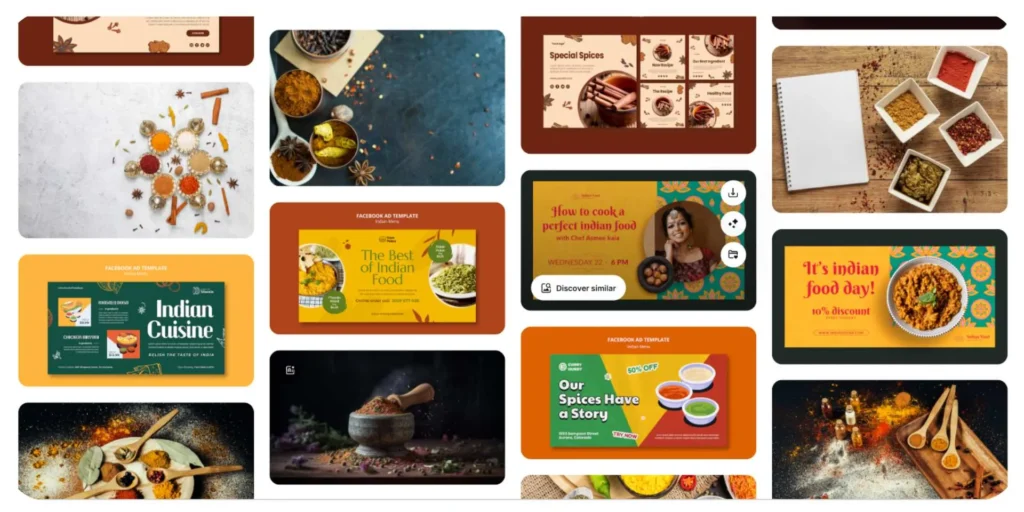
Create an attractive image and name that is easily remembered and admired that leaves a lasting impression with a catchy brand image and name plus novel packaging that will attract your target group. Develop a multi-channel marketing approach, the components of which would include both offline-based (local advertising, distribution to retail stores, attendance of trade events) and online-based (social media presence, web-based e-commerce applications Amazon or Flipkart, company-owned webpage, work with influencers) marketing activities.
Due to the competitive nature of this market, free samples, nice entry pricing and loyalty programs will be offered in order to develop a customer base and make them buy it over and over again.
Investment & Project Cost (India)
The overall cost of making masala business depends heavily on the size, region and the output capacity. A small size facility with a production capacity of 100-200 kg in a day anticipates a start-up capital of ₹5- 10 lakhs.
It takes ₹15-30 lakhs to venture into medium-scale operations, and ₹50 lakhs to multiple crores to venture into large manufacturing units. Investment includes equipment, licensing, materials, Russellizing, working capital and marketing expenses.
| Cost Component | Small Scale | Medium Scale |
| Machinery & Equipment | ₹3-5 lakhs | ₹15-20 lakhs |
| Licenses & Registration | ₹30,000-50,000 | ₹50,000-1 lakh |
| Infrastructure Setup | ₹1-2 lakhs | ₹5-8 lakhs |
| Raw Materials (Initial) | ₹50,000-1 lakh | ₹2-3 lakhs |
| Packaging Materials | ₹30,000-50,000 | ₹1-2 lakhs |
| Marketing & Branding | ₹50,000-1 lakh | ₹2-3 lakhs |
| Working Capital | ₹1-2 lakhs | ₹3-5 lakhs |
| Total Investment | ₹5-10 lakhs | ₹25-40 lakhs |
Masala Business Profit Margin
The masala business enjoys attractive profitability, ranging from 25% to 60%, depending on variables such as product type, brand positioning, scale of operation, and distribution channel. Common spices of the day such as turmeric and chili powder, are expected to bring about 20-30% margins, with blended masalas of higher quality (blended with additional colors and aromas) and organic spices taking 40-60% margins as the quality is more perceived. Manufacturers with direct sales to the retailers will benefit better than their counterparts who operate through several distribution channels.
An export-related enterprise usually takes into consideration a 35-50% margin when international pricing is adopted. Efficiency in procurement of raw materials, optimization of production processes to reduce wastage, maintenance of inventory and proper pricing of the item make it the key to profitability. Trademarked products have higher margins than unbranded commodities.
Expected Profit by Business Size
| Business Type | Monthly Sales | Monthly Profit |
|---|---|---|
| Small Home Unit | ₹50,000 | ₹10k – ₹20k |
| Local Brand | ₹2 Lakh | ₹40k – ₹80k |
| Medium Factory | ₹5 Lakh | ₹1L – ₹2L |
| Wholesale Unit | ₹10 Lakh+ | ₹2L+ |
Pan Masala Business — Special Considerations
The pan masala sector is a separate department and it needs specific skills other than spice production. This is the mass incensed type like flavored pan masala, mouth fresheners and tobacco-free tobacco, which have strict rules and regulations governing it under the Food safety guidelines. Pan masala manufacturers are required to be licensed separately under the FSSAI to produce pan masala, meet packaging regulations and labelling policies that enforce health warnings, and comply with state-specific laws regarding sale and distribution. Machinery needs vary widely, such as specialized coating machines, flavor mixing, expensive and high-speed automated packaging at ₹10-40 lakhs.
Betel nuts, menthol, cardamom, flavouring agents, and food-grade colour are a few among the raw materials that the company needs to carefully source and perform quality control. The network channel is very keen on the pan shops, kiosk stores and counters with fast inventory turnover. Advertising has limitations in marketing; hence, brand presence and distributors or agents are vital.
The profit margin lies between 30-50% with market competition established despite the situation. Learning the region’s tastes, retaining the same taste profile, and adhering to the regulations are the keys to success in this business segment.
Marketing & Distribution Channels
Laying a connection in institutional purchases of goods, including hotels, restaurants, catering services, and the manufacturing of food products, guarantees quantity purchases coupled with consistent income. As the technology changes, so do the consumer buying channels. The year 2026 will require a multi-channel strategy to cater to all kinds of buyers:
- E-commerce Platforms: Register on platforms like Amazon and Flipkart under the Groceries category to make it easier for customers to find you, with no initial marketing required.
- Local Sales: Make sure to develop relationships with Kirana stores and other supermarkets by giving them margin above established national brands.
- D2C Website: Start your own D2C website with Shopify or WooCommerce to sell masala directly to end users.
- Social Commerce: Engage in promoting your business using social platforms like Instagram and WhatsApp and show behind-the-scenes footage about your processing unit.
- Export Markets: After getting a spice export license india, target the Indian diaspora living in the Middle East, UK, and USA.
Also Read: Government Franchises in India
Common Mistakes to Avoid
- Trading Off Quality in Profits: Processing with lower quality raw material, adulterants, or processes that are inconsistent helps reduce costs, but a cheap brand image and loss of customers mean regulations by food safety control boards will result in punishment.
- Violating Legal Compliance: Working without the FSSAI licenses, labeling, and certifications, or breaking the rules of food hygiene provides an open door to legal woes, penalties, business shutdown, and a blow to reputation, which would be very hard to fix in the market.
- Unwise Packaging Materials: Selecting low-quality packaging materials that allow moisture to enter, insufficient sealing that results in food losing its freshness, or unappealing designs that cannot grab consumer attention because they are plain diminish shelf life and market competitiveness.
- Poor Market Research: When products are launched without understanding the target customers’ price preferences, taste preferences, regional preferences, or distribution issues, the result will be inventory buildup, cash flow issues, and bankruptcy.
- Insufficient capitalization of operations: Begins with low working capital to fund raw materials availability, cannot continue supply at a steady level, funds marketing stream or experiencing cash crunches in scaling phase will cripple growth potential.
- Ignoring Branding and Marketing: Thinking that quality is a self-selling product whereas not investing in building the brand, connecting to customers, having an online presence and building the distribution networks does not significantly shrink the market penetration and potential revenue.
Conclusion
Mastering how to start a masala business in India gives a chance to an attractive business in a rapidly expanding spice market in the world. To become a successful enterprise, one should have a thorough plan, adhere to the regulations, ultimate attention to quality, and implement the concept of strategic marketing. By creating a mini grinding factory or running an export-oriented brand, it is always knowing how to begin the business of masala by knowing how to properly research and execute it that indeed makes the difference between those who succeed in business and those who fail miserably.
Its growth trend, consumer base, and demand in the Indian spice business create an environment where new competitors who can invest in quality and innovation can participate. Even though there is competition, the variation due to genuine flavors, stable quality, appealing packaging, and market-oriented strategies make it successful in the market. It is not all about machinery and licenses to start a masala business; it is about passion for spices, commitment to quality, knowledge of market dynamics, and the development of customer relationships that may last. With determination, strategic planning, and compliance to quality requirements, how to start a masala business can rise to exalted heights in this aromatic and enriching trade.
FAQs
1. How much does it take to actually start up a business of masala in India?
Some of the ₹10 lakhs and ₹5 lakhs required materials, equipment, packaging, licenses, and working capital can get you started with a modest production capacity of masalas using basic machinery.
2. Which licenses are required to start a masala business?
FSSAI registration/license (obligatory), GST registration, Trade License issued by the local authorities and Udyam Registration are essential. There is also the Import Export Code (IEC) which export businesses have to possess.
3. Both What is the profit margin of the masala business?
Profit margins usually lie between 25 and 60% based on the type of product, brand positioning and channel of distribution. Blended masalas and premium spices have better margins than commodity spices.
4. Is it possible to start an in-home masala business?
Very small-scale operations can be registered as a home-based masala business, though you are required to be registered under FSSAI, comply with local zoning and hygiene standards, and meet food safety regulations.
5. What is the time period in which it is possible to start an effective business with masala?
Being planned and carried out will require between 6-12 months to insure operations and create an initial base of customers. It normally takes 12-24 months of steady profitability with the growth of the brand.
6. How much does it cost to start a masala business?
Starting a masala business will require an investment of ₹50,000 to ₹1,00,000 if you start it on a small scale or from home. If you are operating medium-scale semi-automatic plants, then you may invest between ₹5 Lakhs to ₹15 Lakhs.
7. What kind of license is needed for masala business?
An FSSAI License will be required by default, along with a GST Registration, a Local Trade License, and an MSME/Udyam registration. For international sales, you will need IEC Code from the DGFT and Spices Board Registration.
8. How profitable is the masala business in India?
It is highly profitable with average net margins ranging from 40% to 70%, depending on the brand strength and product type. Blended masalas like Biryani or Chicken masala usually offer higher profits compared to simple turmeric or coriander powders.
9. How do I sell masala online in India?
You can sell by registering as a seller on major marketplaces like Amazon and Flipkart or by creating your own D2C website. Promoting your products through social media, food influencers, and WhatsApp marketing groups is also a very effective way to drive online sales.